
The Issue of Multilingual School Students in the State of Texas

Picture from TeachForAmerica
By: Pedro Pablo Spoerer
We all have heard the phrase “kids are the future of the country”, and it’s totally true! In Students United, we believe that a strong and quality education is essential to make our kids valuable United States citizens that someday contribute to society. But are these quality tools and education equally accessible to all our students?
Nowadays, many schools in Texas utilize STEM (these letters stand for science, technology, engineering, and mathematics) system/program to teach school students basic critical skills such as critical thinking, creativity collaboration, problem-solving, etc. However, Texas is huge and so are the languages spoken in the state. The language barrier can be a critical issue for multilingual students. Imagine that you speak Spanish and not perfect English, and hear your biology professor talk about the neurologic system!
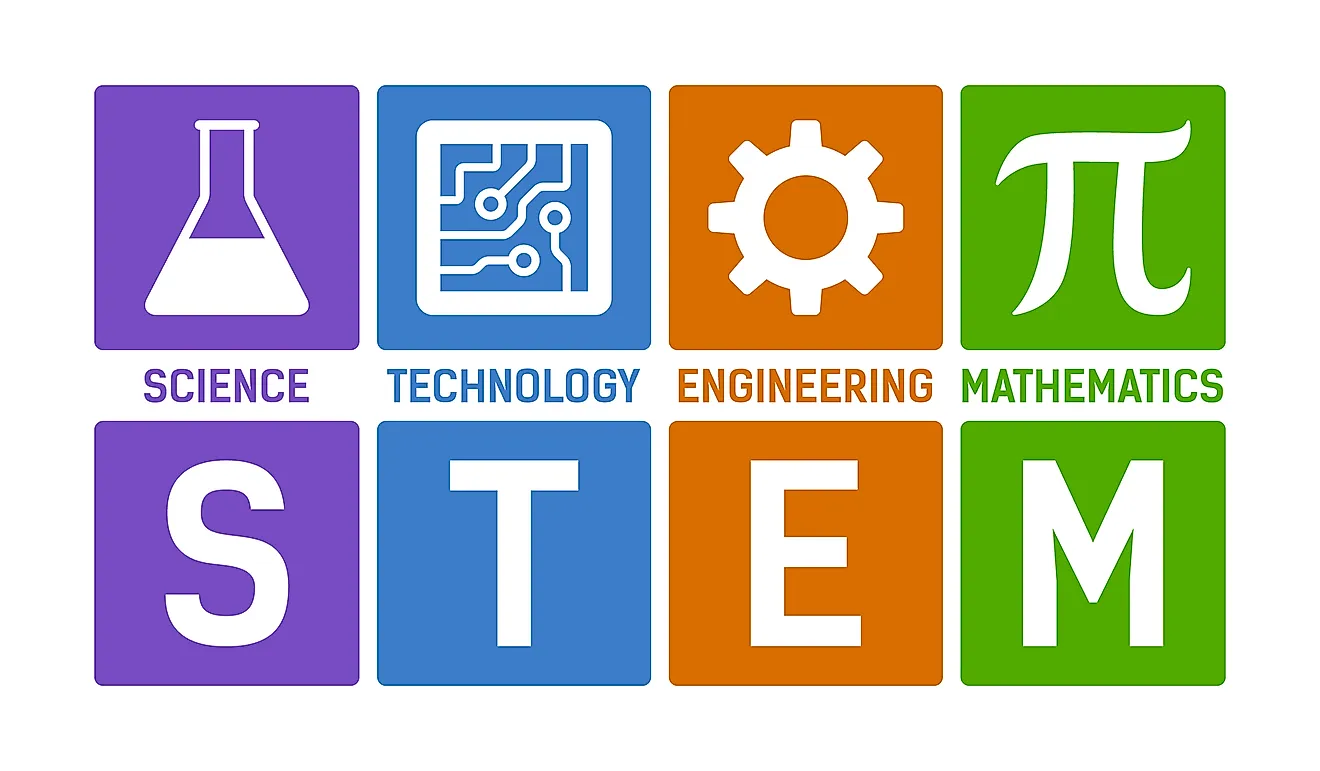
Picture taken from WorldAtlas.com
Did you know that 20% of the Texas public schools students speak more than one language, according to everytexan.org? You would probably assume that Spanish is the most spoken language besides English, in which you are totally right! Spanish leads the way with 29.5%, secondly Vietnamese with 0.8%, and the list could go on for much more, because there are 16 more languages spoken in Texas (see the complete list here).
The problem is that not every multilingual student can speak perfect English. But that is not all the issues. In the state of Texas, we have a special concern retaining and finding bilingual teachers that specifically speak Spanish, especially after the Covid-19 pandemic. Another reason for the shortage of professors would be the decrease of salaries according to 10 KWTX.
The state is full of Hispanic speakers, according to the executive director of Latinos for Education in Texas, only 23% of the Hispanic students were “at or above criteria on a standardized test used for college admission” in order to become bilingual teachers (see the complete interview made by Brian Lopez for 10 KWTX here).
So what can we do about this? Nowadays, there are thousands of technological tools that can be used to improve education or to solve educational issues. The online classes during the pandemic are proof of this. In Students United, we stand and believe that with the appropriate technological tools, we can create a more just and appropriate environment in which all our kids have the same opportunities. Digital tools can give our kids personalized learning experiences, adjusting the difficulty of some topics, let’s say for example biology, to the students’ individual needs.

Image by Chitra Mittha on Adobe Blog.
Being able to speak more than one language should not be a disadvantage, especially when it comes to learning. Being bilingual or multilingual is always an advantage in both the laboral and academic world. Students United has the objective of making these tools more accessible to the students in both their houses and schools, by raising money and making partnerships with different technology companies.
Tags: #STEM, #BilingualStudents, #StudentsUnited, #DigitalEducation.


